SVN Raleigh Lunch & Learn Recap: Expert Insights for Small Business Owners
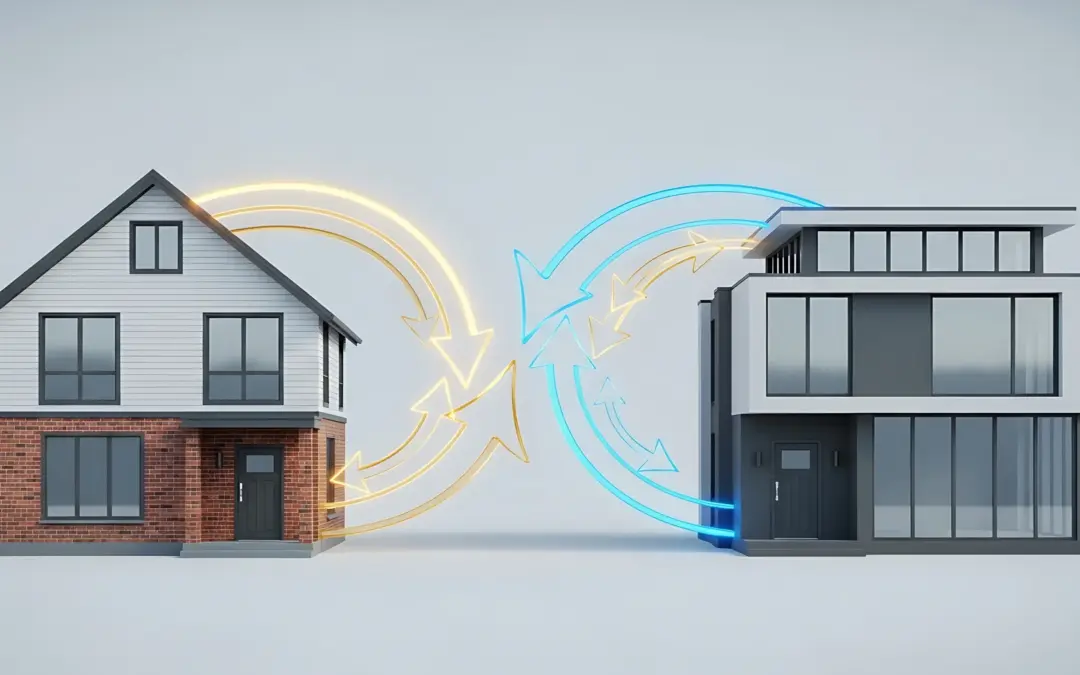
For small business owners, deciding whether to lease or purchase commercial real estate is one of the most important financial decisions they’ll make. While owning your space can build equity and provide long-term stability, leasing offers flexibility and potentially lower upfront costs. So, how do you know which option is right for your business?
SVN Raleigh recently hosted a Lunch & Learn, Lease or Own? The Real Cost of Your Next Move, bringing together experts in commercial real estate, accounting, lending, and law to explore this important decision.
The discussion was moderated by John Powell, Managing Director of SVN Raleigh, with insights from Teddy Sullivan of Human Accounting Partners, Morgen McVane of Pinnacle Financial Partners, and Nik Vyas of Slate Legal.
Here are key questions and takeaways from the conversation.
1. How do you know when it’s the right time to buy rather than lease?
John Powell, SVN Raleigh:
The decision begins with understanding your business’s needs, financial position, and long-term goals. Every business is different, and what works for one company may not work for another.
Consider where you expect your business to be in five, ten, or fifteen years. Will your space accommodate future growth? Are you prepared for the responsibilities of ownership?
For businesses still growing or uncertain about future space requirements, leasing may provide valuable flexibility. Ownership may make more sense for established businesses with predictable space needs and a long-term commitment to a location.
The key is evaluating more than the monthly payment. Consider your business’s future before making a commitment.
2. What financial factors should business owners evaluate?
Morgen McVane, Pinnacle Financial Partners:
Cash flow, profitability, available capital, and future growth projections all play significant roles.
Purchasing commercial property requires more than a down payment. Business owners must account for closing costs, moving expenses, financing costs, maintenance, and unexpected repairs.
Lenders also evaluate the financial health of the business, including its ability to sustain the debt. Strong revenue alone doesn’t necessarily indicate financial readiness. Profitability and cash flow are critical.
Business owners should work closely with their lender and accountant to understand how a purchase could affect working capital and their ability to invest in business operations.
3. Is owning commercial real estate always the better financial investment?
Teddy Sullivan, Human Accounting Partners:
Not necessarily. While purchasing property creates an opportunity to build equity, ownership also brings expenses and obligations that leasing may not.
Business owners should evaluate the true cost of ownership, including maintenance, repairs, property improvements, and capital expenditures.
Leasing can sometimes be more financially advantageous, particularly when a business needs flexibility or would benefit from keeping capital available for growth.
The decision should consider both tangible financial factors and intangible benefits, such as convenience, control, and the ability to adapt as business needs change.
4. What are the tax advantages of owning versus leasing?
Teddy Sullivan, Human Accounting Partners:
Both options can offer tax advantages, but the benefits differ.
Leasing generally allows businesses to deduct qualifying rental expenses. Ownership may provide opportunities for depreciation deductions and other tax benefits.
One strategy discussed was a cost segregation study, which can potentially accelerate depreciation on qualifying building components and generate significant tax savings in the early years of ownership.
However, tax benefits depend on the property, business structure, and individual circumstances.
Business owners should consult their CPA before purchasing to understand the potential tax implications and determine which option best supports their financial goals.
5. What should a lender look for when determining whether a business is ready to purchase?
Morgen McVane, Pinnacle Financial Partners:
Lenders evaluate more than credit scores. They examine business profitability, cash flow, financial history, and the ability to repay a loan.
The type of property also matters. Financing an owner-occupied office condominium may involve different considerations than purchasing a larger investment property.
For certain financing programs, owner-occupancy requirements may also apply.
Morgen emphasized the importance of involving your lender early. Understanding financing options and requirements before identifying a property can help avoid delays and unexpected challenges.
6. What legal protections should business owners consider when signing a lease?
Nik Vyas, Slate Legal:
A commercial lease is a legally binding agreement, and business owners should understand its terms before signing.
Important considerations include personal guarantees, default provisions, remedies, renewal options, and responsibility for property improvements.
Personal guarantees deserve particular attention because they can expose business owners to financial liability beyond the business itself.
Nik also emphasized that lease provisions can have consequences years after signing. One example discussed involved a tenant facing a substantial expense related to building signage when relocating.
Having an experienced commercial real estate attorney review lease documents can help identify risks, negotiate appropriate protections, and prevent costly surprises.
7. What due diligence should buyers complete before purchasing commercial property?
Nik Vyas, Slate Legal:
Due diligence is essential to understanding exactly what you’re purchasing.
Key items include title examinations, property surveys, zoning verification, environmental considerations, and reviewing permitted uses.
Business owners should confirm that the property can legally accommodate their intended operations.
For example, a medical practice may have specialized building requirements that a traditional office property cannot easily accommodate.
Understanding these limitations before closing can help avoid unexpected renovation expenses, regulatory challenges, or restrictions on business operations.
8. What hidden expenses do business owners frequently overlook?
The panel agreed: The advertised lease rate or purchase price rarely tells the entire story.
Business owners should consider HVAC replacement, building maintenance, landscaping, snow removal, property improvements, insurance, and other operating expenses.
For leased properties, it’s especially important to understand which costs are the landlord’s responsibility and which are passed through to the tenant.
For purchased properties, owners must prepare for major capital expenditures and unforeseen repairs.
Evaluating the complete financial picture can help business owners avoid committing more capital than their operations can comfortably support.
9. Should business owners purchase property personally or through a separate entity?
Nik Vyas, Slate Legal:
One approach discussed was establishing a separate real estate holding company to purchase the property and lease it to the operating business.
This structure may provide advantages related to liability separation, asset management, and future business transitions.
However, proper documentation is important. Even when the same individuals own both entities, a formal lease agreement should establish the relationship between the property owner and operating company.
The appropriate structure depends on legal, financial, and tax considerations and should be evaluated with qualified advisors.
10. What’s the single most important piece of advice for business owners considering a move?
John Powell and the panel emphasized the importance of planning early and building the right advisory team.
Don’t wait until your lease is expiring or you’ve found a property you love to begin evaluating your options.
Engage your commercial real estate advisor, lender, CPA, and attorney early in the process. Each professional brings a different perspective that can help identify opportunities, evaluate risks, and guide informed decisions.
Most importantly, consider how your real estate decision supports the business itself. The right space should serve your operations, employees, customers, and long-term goals.
The Bottom Line: Make the Decision That’s Right for Your Business
There’s no universal answer to whether leasing or owning commercial real estate is better. The right choice depends on your company’s financial strength, growth plans, operational needs, and long-term objectives.
Leasing offers flexibility. Ownership offers control and the potential to build equity. Both can be smart business decisions when approached strategically.
At SVN Raleigh, we help business owners evaluate their options, understand the local commercial real estate market, and identify properties that align with their goals.
Thinking about leasing, purchasing, or relocating your business? Connect with the SVN Raleigh team to explore your options and make your next move with confidence.